Your cart
There are no more items in your cart
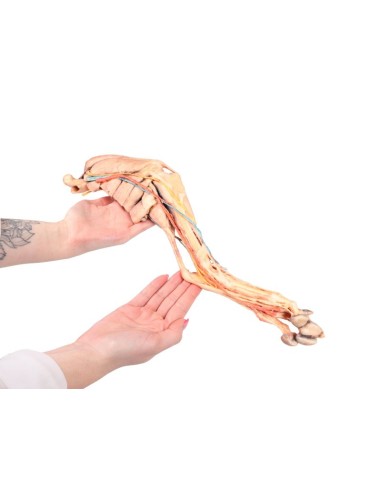
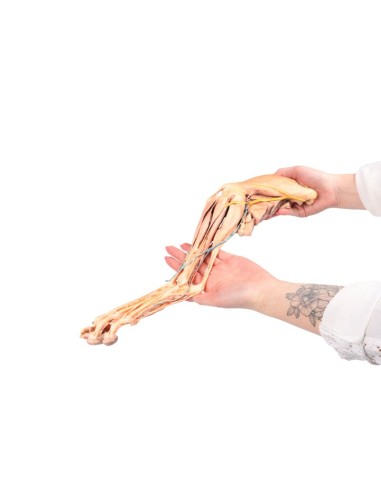
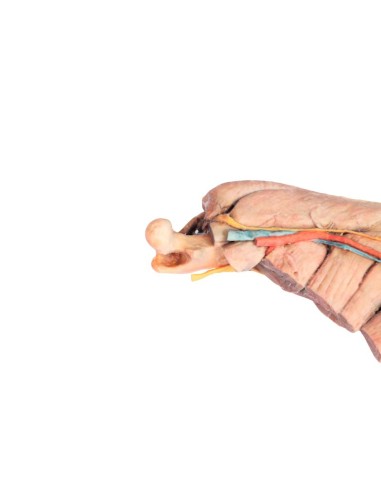
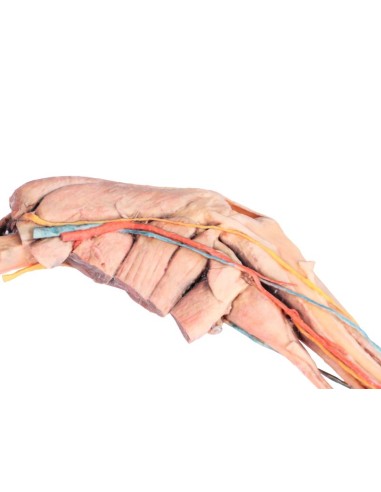
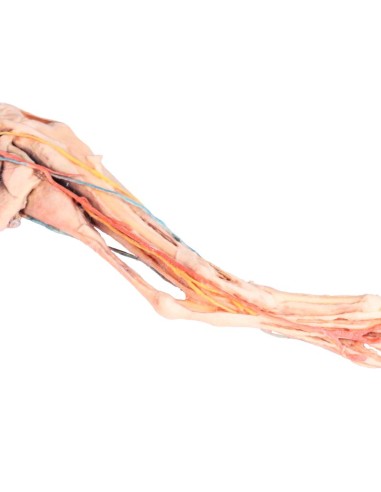
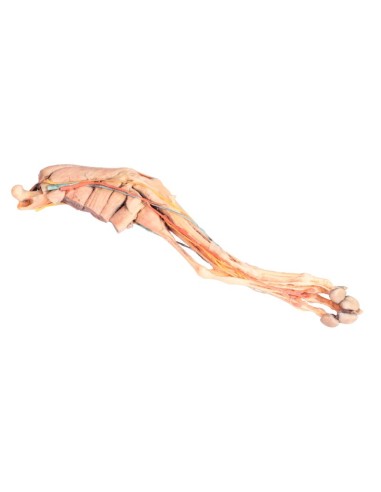
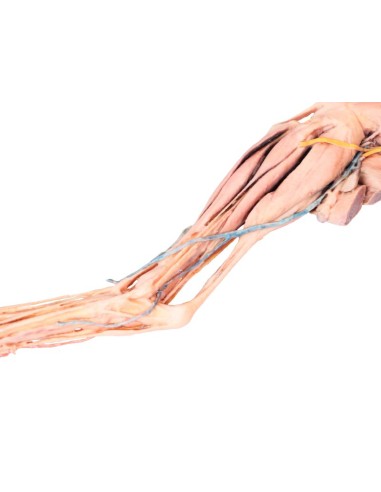
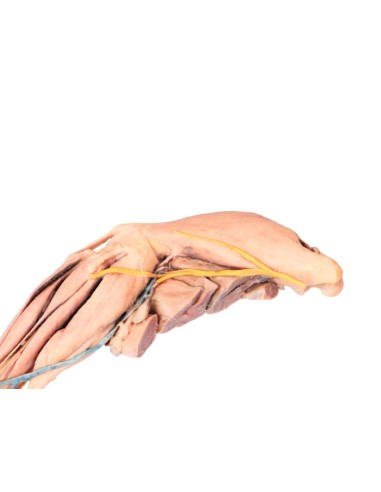
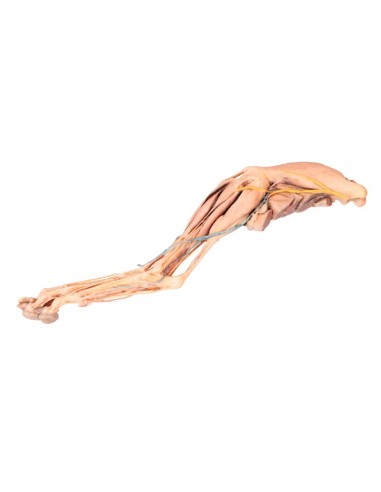
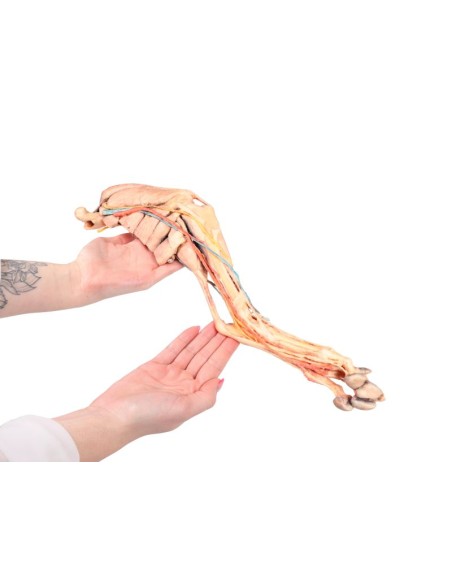
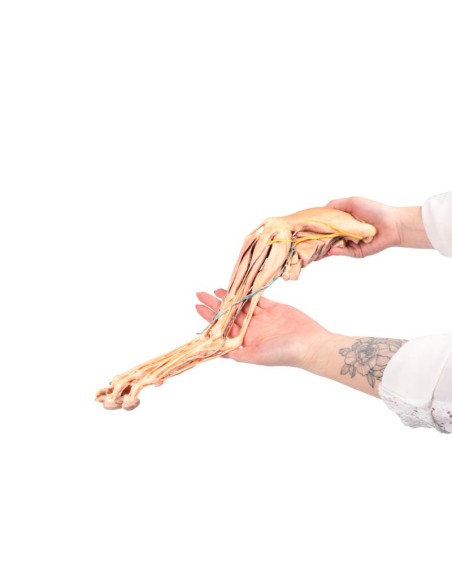
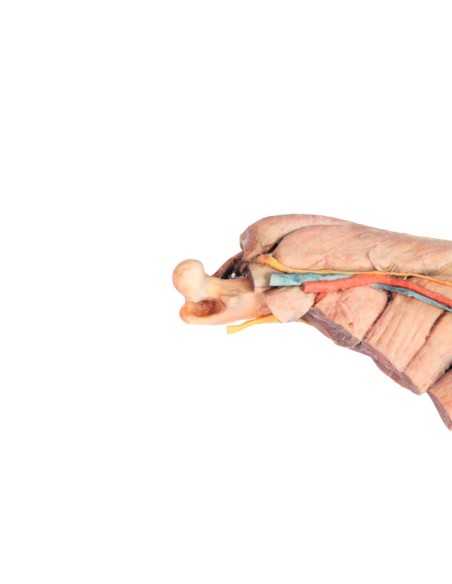
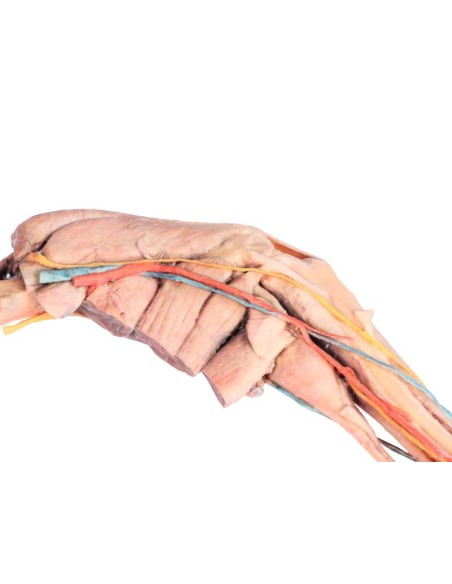
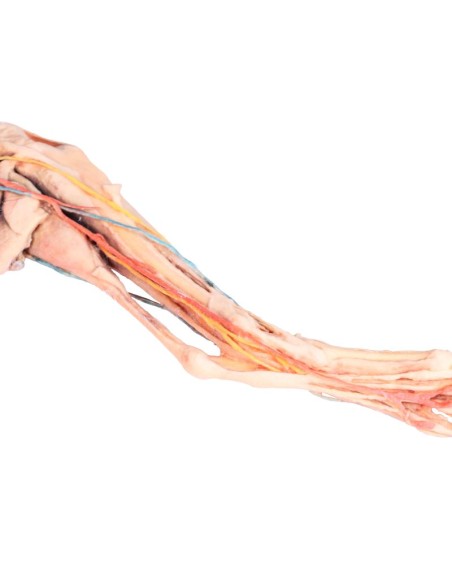
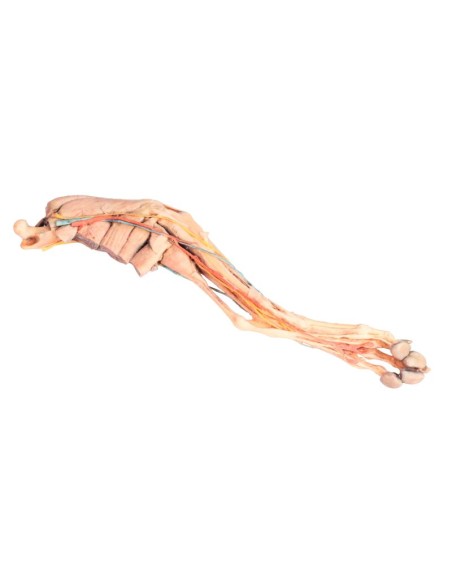
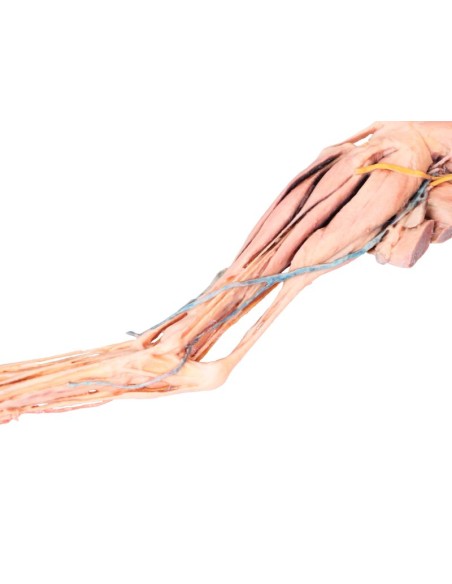
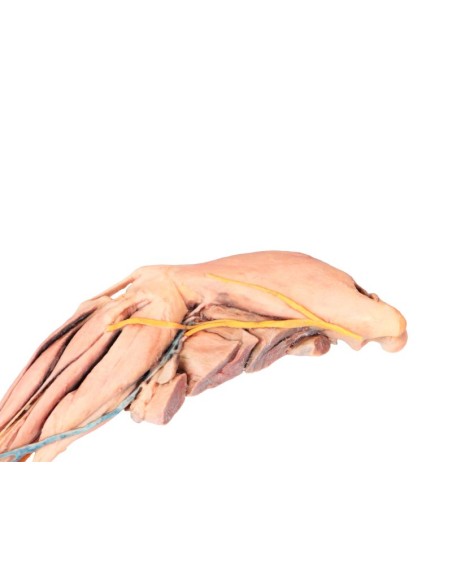
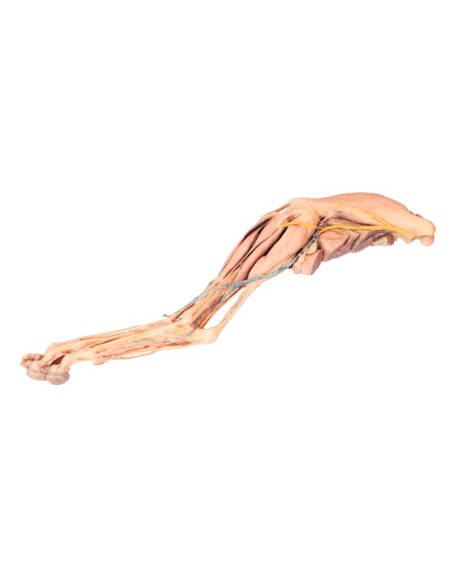
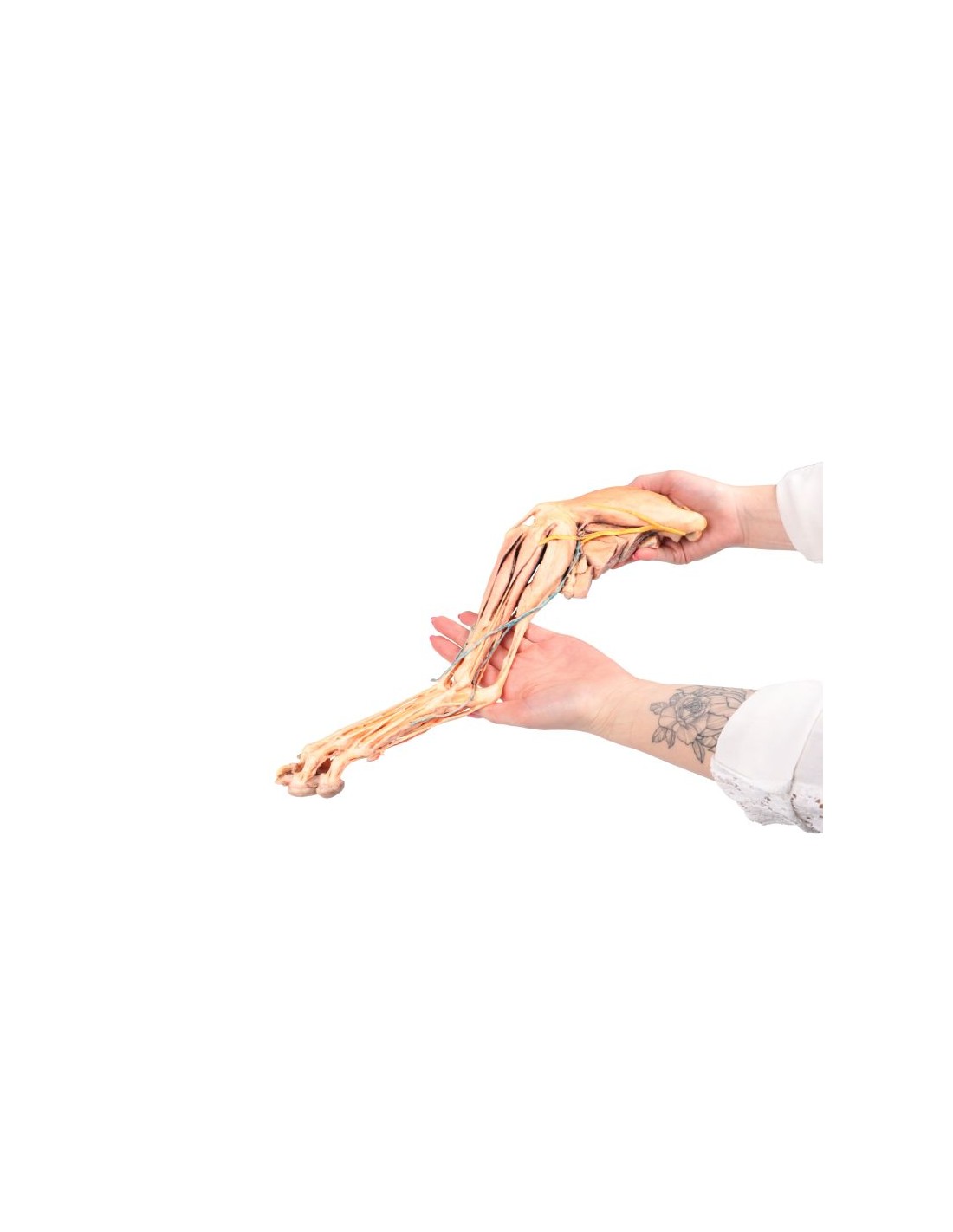
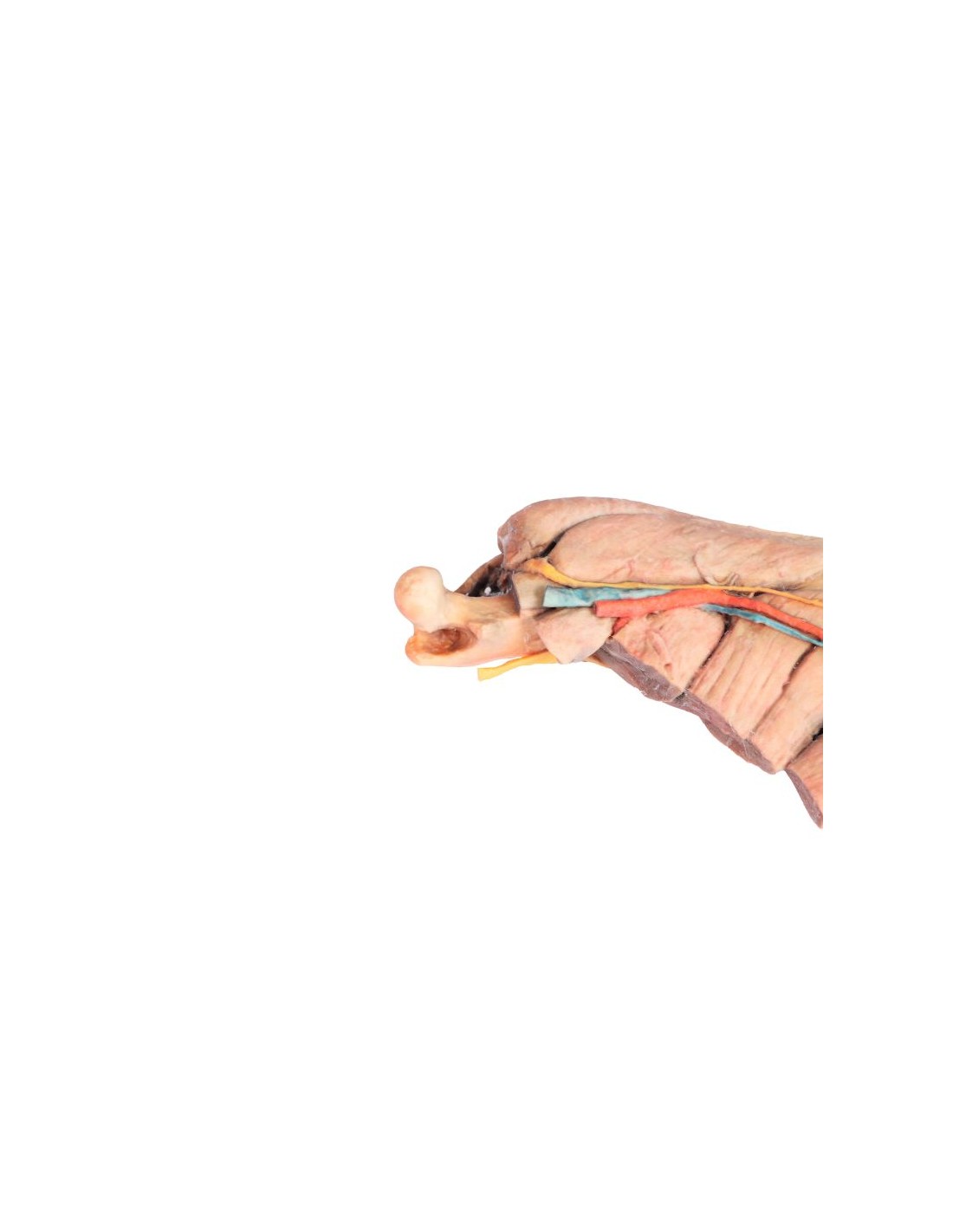
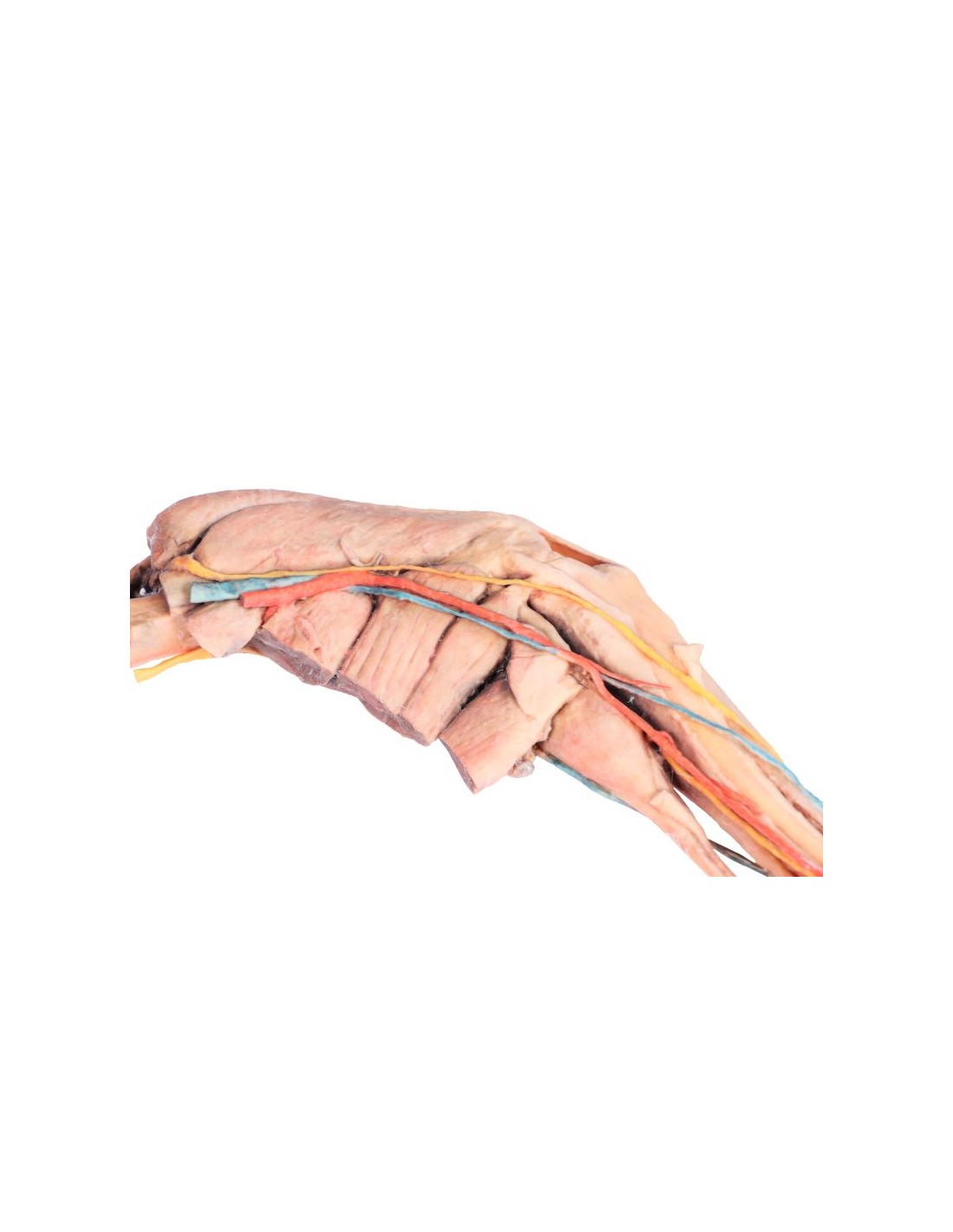
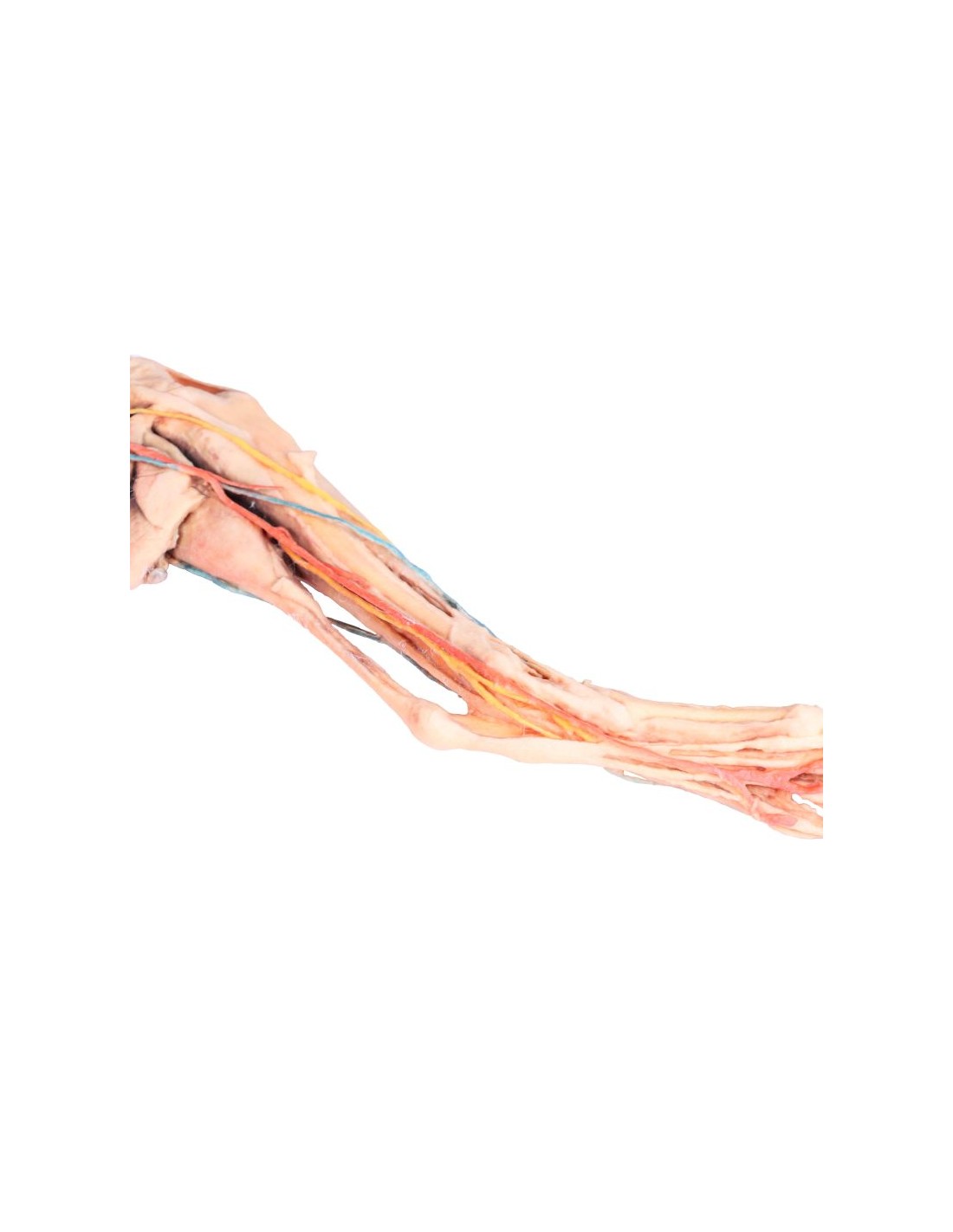
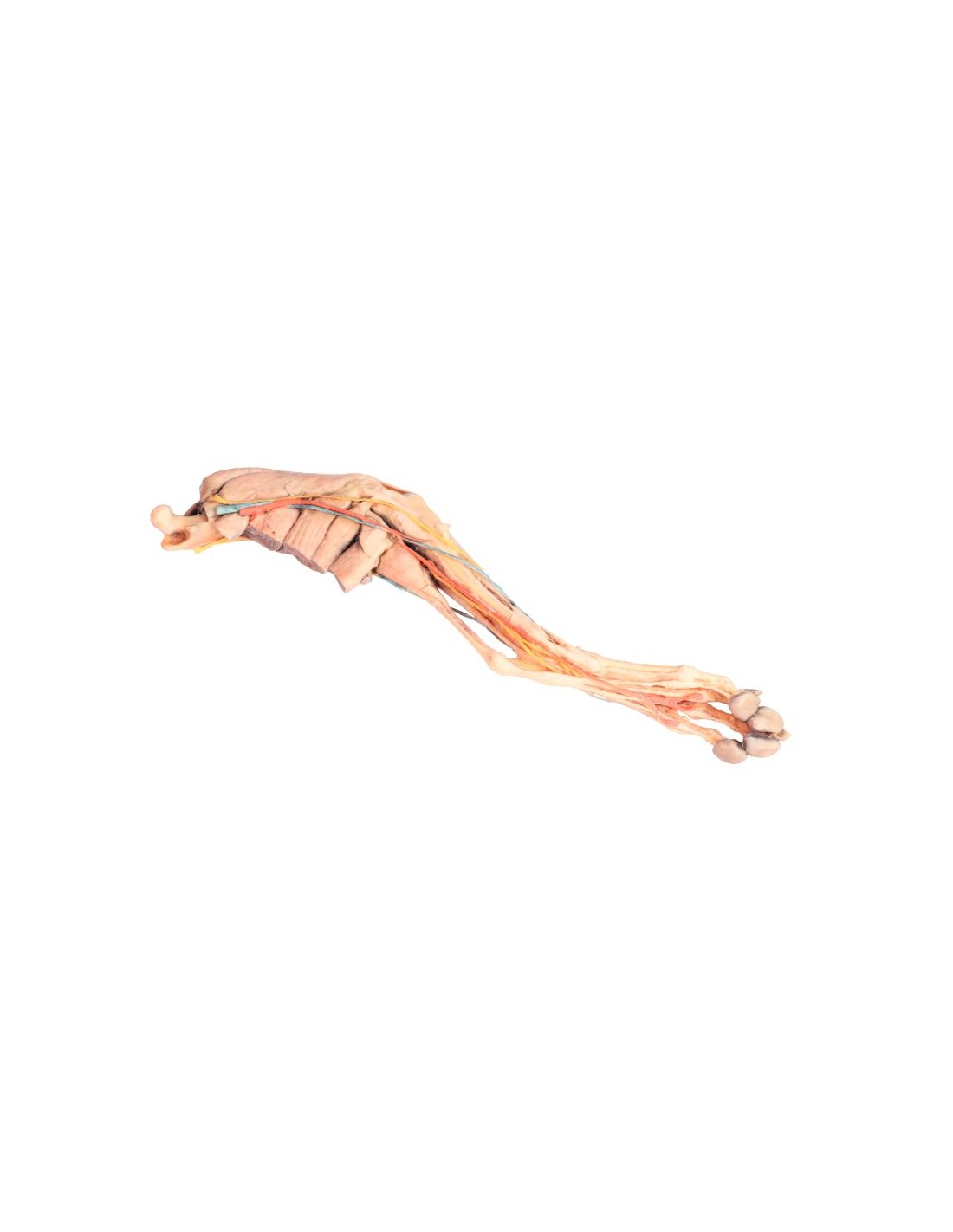
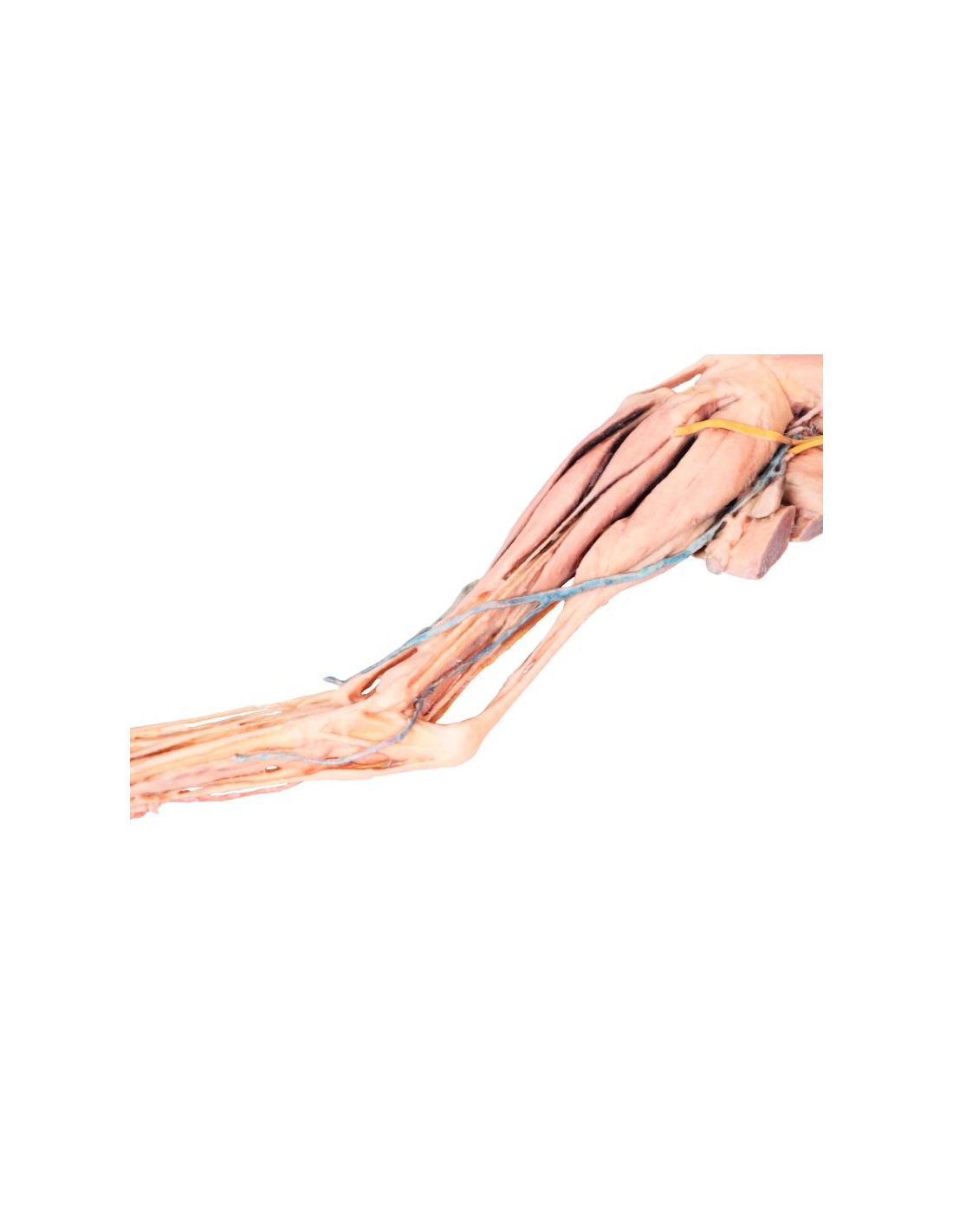
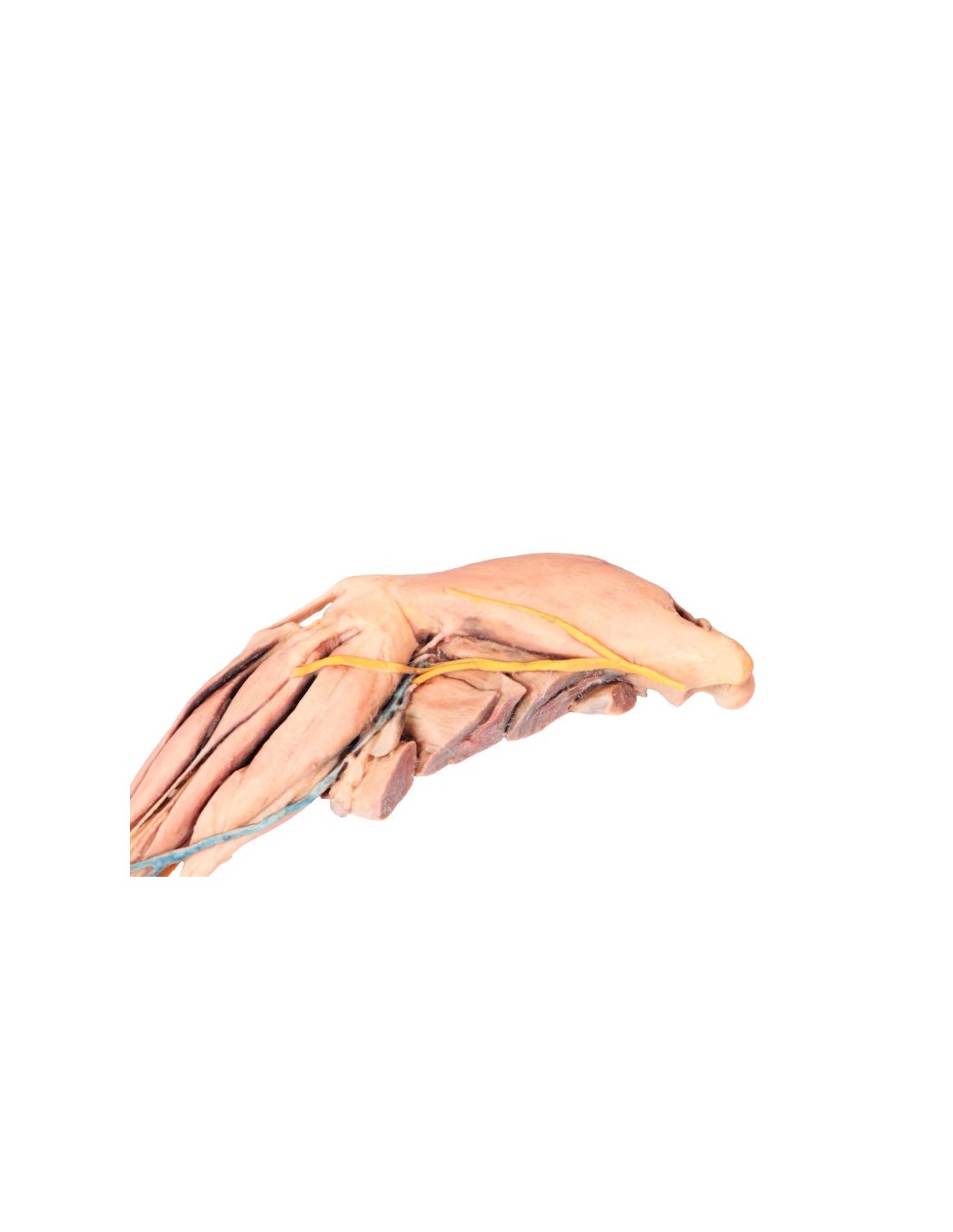
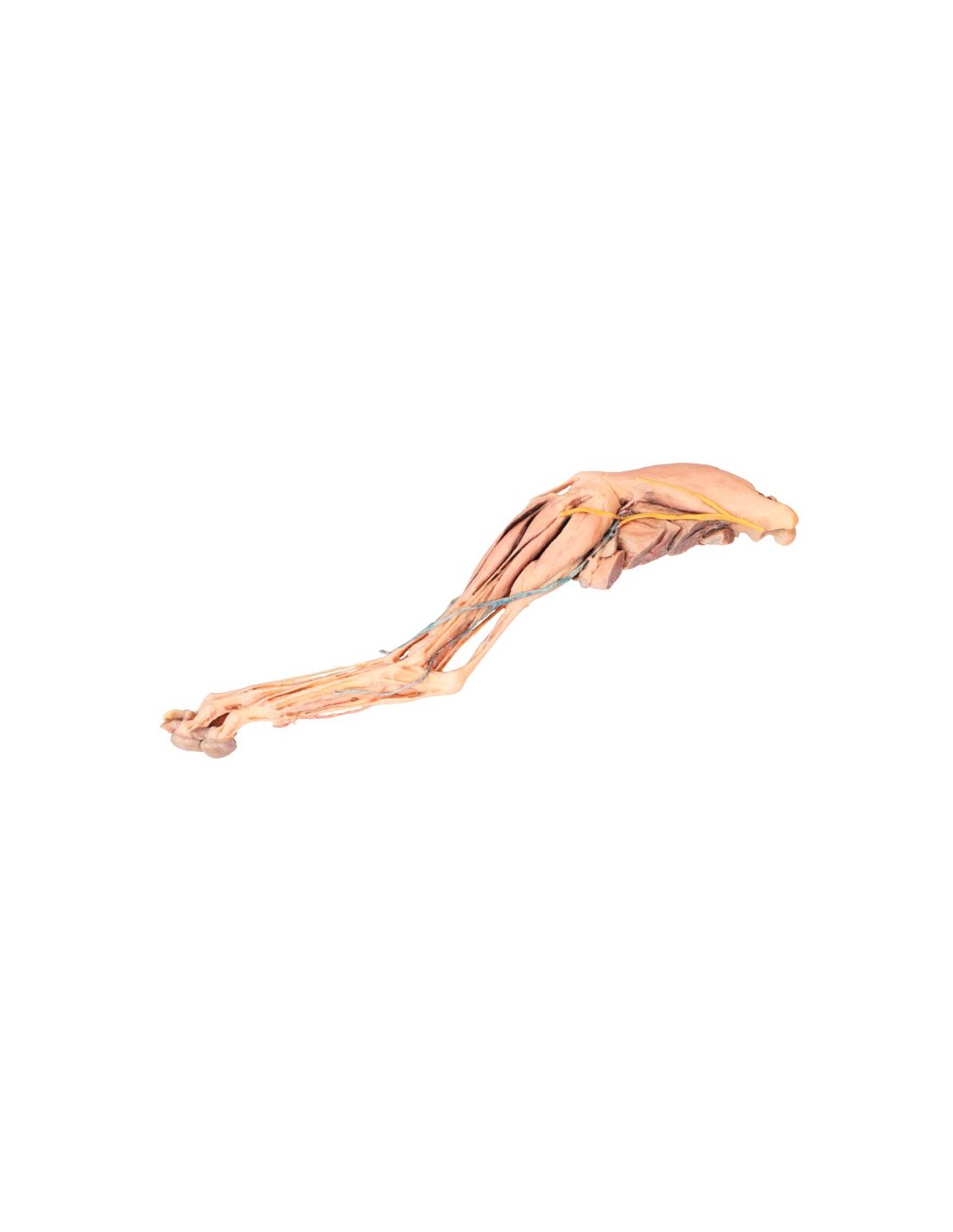
The Dog's Hind Leg – Muscles, Tendons, Ligaments, Blood Vessels, and Nerves Distal to the Knee Joint VP9015
erler zimmer
EZ-VP9015
Out-of-Stock
€2,349.00
Tax included
Created using ultra-high-resolution 3D color printing.
Dog's Hind Leg – Muscles, Tendons, Ligaments, Blood Vessels, and Distal Nerves Down to the Knee Joint VP9015
This model is part of the exclusive Monash 3D Anatomy series, a comprehensive collection of human dissections reproduced using high-resolution color 3D printing.
Product Description
The Dog Hind Limb – Muscles, Tendons, Ligaments, Vessels, and Distal Nerves to the Knee Joint (VP9015) anatomical model is an essential tool for veterinary education and research. This model offers a detailed and realistic representation of the dog’s hind limb, allowing for in-depth study of the muscular, tendinous, ligamentous, vascular, and nervous structures down to the knee. Ideal for anatomy courses and dissection labs, the VP9015 promotes practical and interactive learning.
Key Features
Realistic and Detailed Anatomy
- Accurate Representation: The model faithfully reproduces the anatomical components of the dog’s hind limb, highlighting every detail of the muscles, tendons, ligaments, vessels, and nerves.
- In-Depth Study: Designed to examine the functional and anatomical relationships of the structures, from the distal end to the knee joint.
High-Quality Materials
- Sturdiness and Durability: Made from selected high-quality materials, the VP9015 is designed to withstand intensive use in educational and research settings.
- Precision Finishing: Every detail is carefully crafted, ensuring a realistic representation essential for practical learning.
Educational and Research Applications
- Advanced Educational Tool: Perfect for teaching veterinary anatomy, dissection labs, and practical sessions, the model allows for in-depth learning in an interactive and safe manner.
- Research Support: Also ideal for scientific research projects, the VP9015 facilitates comparative study and detailed analysis of the anatomical structures of the dog’s hind limb.
Benefits of Use
Practical and Safe Learning
With the VP9015, students and professionals can practice in a controlled environment, gaining a thorough and practical understanding of the anatomy of the dog’s hind limb. This model reduces the need to use live subjects, ensuring an ethical and safe learning experience.
Investment for Institutions and Laboratories
This model represents a strategic investment for universities, veterinary schools, and research centers. Thanks to its high quality and functionality, the VP9015 helps improve the effectiveness of teaching and clinical practice.
Technical Specifications
For further details on dimensions, materials used, and instructions for use, please consult the complete technical data sheet or contact our customer service for personalized information.
Buy Now
Don’t miss the opportunity to enhance your training or that of your students with the Dog Hind Leg
Model – Muscles, Tendons, Ligaments, Vessels, and Distal Nerves up to the Knee Joint (VP9015)
.
Add to cart
and discover how this tool can transform the way you learn and explore veterinary anatomy.
What advantages does the Monash University anatomical dissection collection offer compared to plastic models or plastinated specimens?
- Each body replica has been carefully crafted from selected patient radiographic data or human cadaver specimens selected by a highly qualified team of anatomists at the Monash University Centre for Human Anatomy Education to illustrate a range of clinically important anatomical areas with a quality and fidelity that cannot be achieved with conventional anatomical models – this is real anatomy, not stylized.
- Each body replica has been rigorously checked by a team of highly qualified anatomists at the Center for Human Anatomy Education, Monash University, to ensure the anatomical accuracy of the final product.
- The body replicas are not real human tissue and are therefore not subject to any restrictions on transport, import, or use in educational institutions that do not hold an anatomy license. The Monash 3D Anatomy dissection series avoids these and other ethical issues that arise when dealing with plastinated human remains.
No reviews
Tap to zoom